What Is Gemini 4 Argon? A Guide to Chatbots, Automation, and Agentic Workflows
Gemini 4 Argon is a next-generation AI model positioned for long-running, multi-step enterprise tasks. This guide explores its long context and multimodal inputs, and how it can be evaluated in chatbot, automation, MCP, and agentic workflows without treating the model as an unrestricted operator.
Editorial note: Access, pricing, benchmarks, and integration conditions may change. This article does not claim that Supsis directly supports Gemini 4 Argon. Supsis links describe architectures to evaluate; live compatibility must be verified separately.
What is Gemini 4 Argon?
Google’s announcement and Google DeepMind’s model card describe Gemini 4 Argon for complex work in software engineering, legal and financial analysis, and cyber defense. It can work with text, images, audio, and video, and evaluate a broad combined context.
Argon is therefore more than a question-answering chatbot model: it can be evaluated for tasks that require context preservation, planning, and tool use. It is not a reliable business process by itself. Permissions, approved data sources, human approval, audit trails, and rollback mechanisms must be designed around it.
Key capabilities and limitations
- Long context: Large document sets, conversation histories, and multi-step tasks can be assessed together.
- Multimodal input: Text, image, audio, and video may be used in one workflow; privacy and data quality still require review.
- Long-horizon tasks: Planning, intermediate checks, and next-step selection can be tested in controlled workflows.
- Distribution channels: Verify current access, quotas, regions, and pricing through official sources before publishing.
Hallucinations, latency, and timeouts remain possible. Current company and customer information should come from authorized sources.
Chatbot scenario: From answers to safe routing
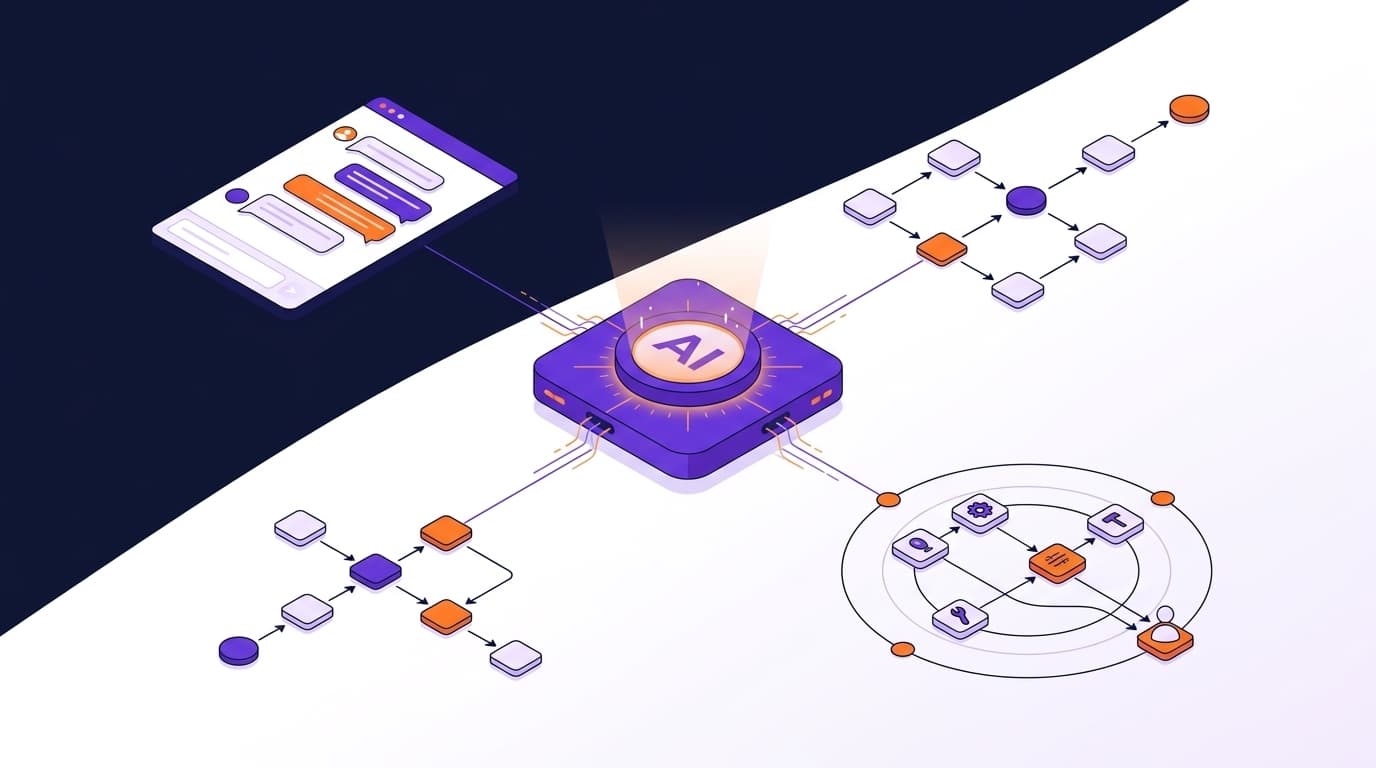
Use a layered design rather than connecting the model directly to every system: classify intent and risk, retrieve only from approved sources, produce a concise grounded answer, state uncertainty, and route sensitive exceptions to a human or ticket workflow.
The model may read an order status, while an address change, refund, or payment requires human approval. This approach can be evaluated in a customer communication layer such as Supsis AI chatbot. The link is not confirmation of live Gemini 4 Argon support.
Automation scenario: From event to task
A new conversation, ticket update, form submission, or approaching SLA can trigger an automation. Identify the event and customer, classify the request, read the authorized record, create a ticket or task when needed, validate the result, and write an execution log. The Supsis automation system can be reviewed for event-driven designs.
Add idempotency, retries, timeouts, and a failed-operation queue. Do not assume that the model completes every action correctly.
How should an agentic workflow be designed?
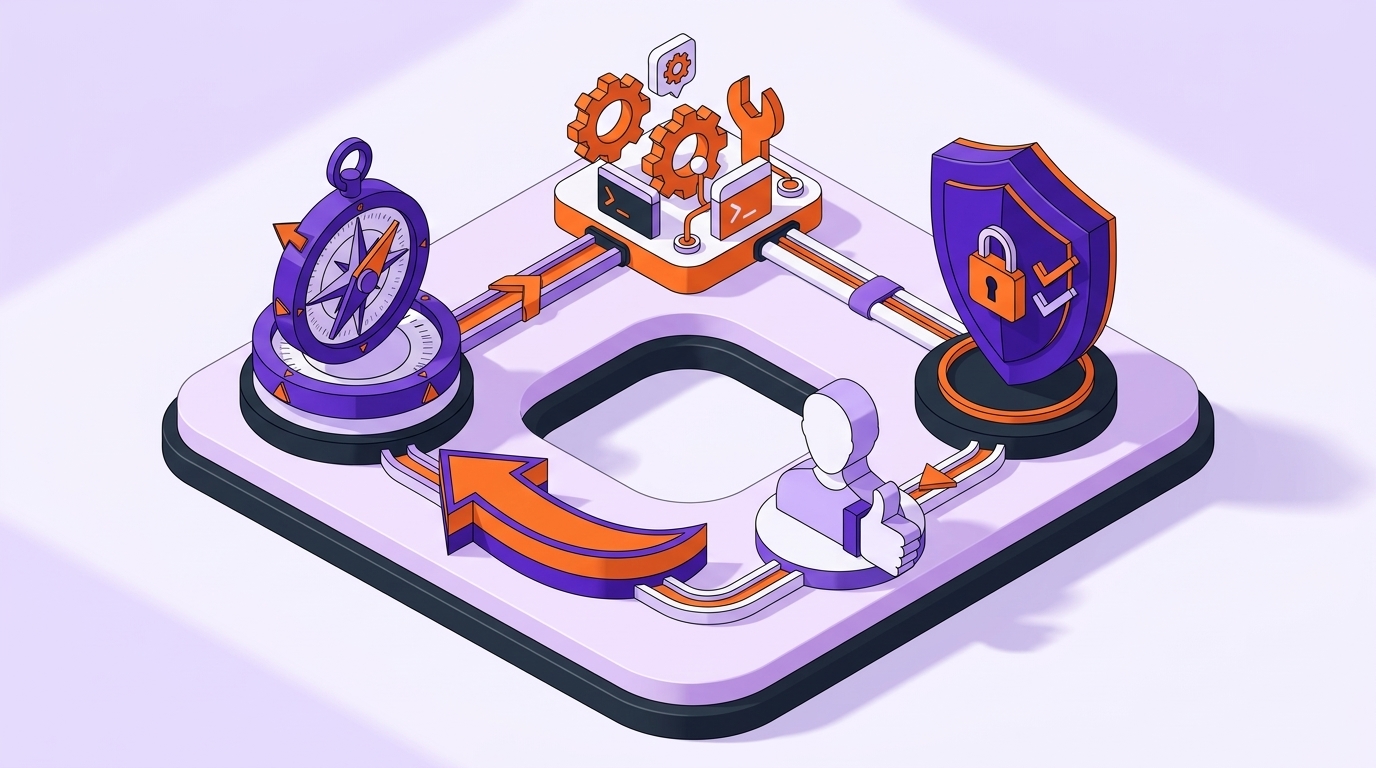
An agentic workflow breaks a goal into steps, calls tools, evaluates results, and selects what comes next. Define the goal, restrict tools with an allowlist, apply least privilege, validate outputs, pause for human approval on critical actions, keep an audit trail, and prefer reversible changes.
MCP and the Supsis context
MCP can be understood as a context and action layer between a model, tools, and data sources. Scope must be explicit when exposing customer profiles, conversation history, or ticket status. Supsis MCP Server is a starting point for evaluating this architecture, not a claim of a ready Gemini 4 Argon integration.
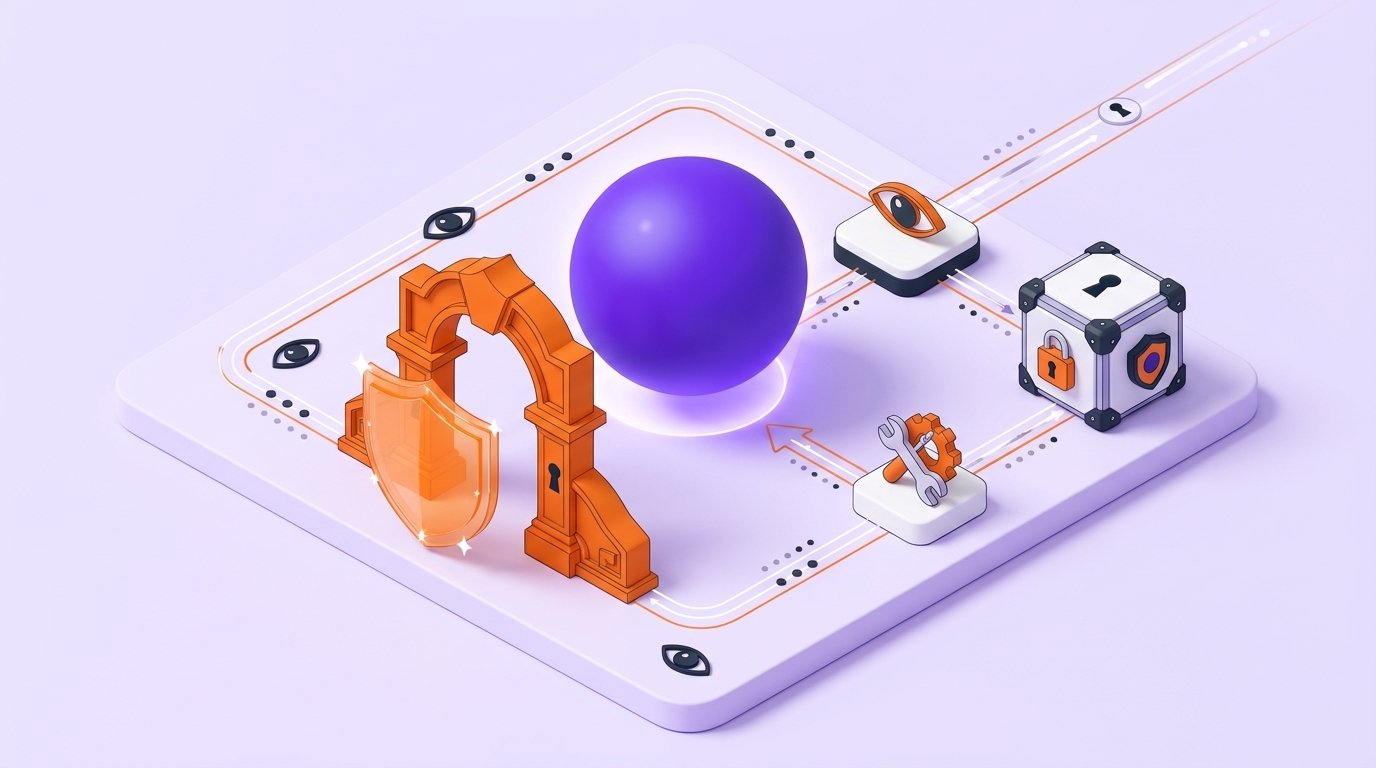
Do not place tokens or secrets in prompts. Minimize personal data, allowlist tools, validate every call, and treat external content as data rather than instructions. Ticket management can keep escalation and SLA ownership visible.
Safe pilot plan
Choose one channel and three low-risk request types. Define handoff conditions, use anonymized test data where possible, and measure accuracy, routing, resolution time, human handoff, and error rate. Keep an error queue for hallucinations, latency, tool failures, and permission violations, plus a rollback plan.
Access, cost, and conclusion
Access, price, quota, region, and model version can change. Verify current information through official Google sources before publication. Gemini 4 Argon may offer interesting pilots, but reliable value comes from authorized data, bounded tools, validation, human approval, and auditable processes.
FAQ
What is Gemini 4 Argon?
A Gemini model positioned for long-running, complex enterprise workflows and multimodal inputs.
Is Gemini 4 Argon different from a chatbot?
A chatbot is a user experience and communication flow; Argon is a model that may power part of it. Knowledge, permissions, handoff, and logging are also required.
What can MCP do?
MCP can provide a context and action layer between a model and selected tools or data sources. Do not grant unrestricted access without allowlists, least privilege, and auditing.
Why is human approval necessary?
It reduces the impact of model errors for hard-to-reverse actions such as refunds, payments, deletion, external communication, and critical data changes.