AI Employees for Companies After Claude Duet: From Chatbot to Task-Executing Agents
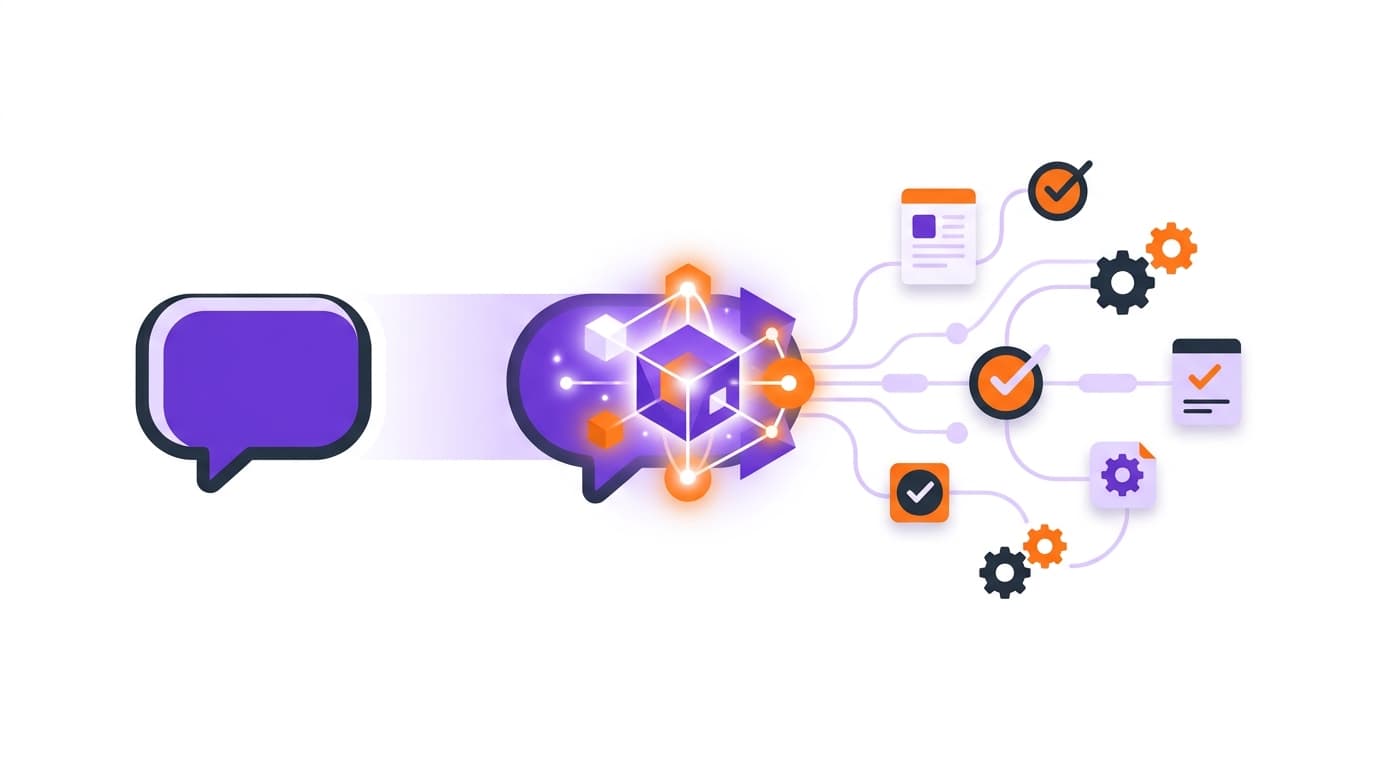
Over the past two years, AI tools have shifted from "answering questions" to "running work". The point is no longer just producing fluent text; it is understanding a request, recording it in the right system, initiating an action when needed, and reporting the result. One of the newest headlines around this shift revolves around the name "Claude Duet".
However, a trending headline does not always mean verified product information. In this article we approach the Claude Duet topic with a short verification note and then frame the real question for companies: what changes when you move from a chatbot to a task-executing AI agent and an AI employee model, which layers do you need to build, and which tasks can an AI employee actually take on?
If you are looking for a structure that brings customer communication into a single panel, take a look at Supsis chatbot. Throughout this article we also explain which layers that structure relies on.
What is "Claude Duet"? A short verification first
A short and honest answer: at the time this article was prepared, no verifiable product announcement or scope page for the name "Claude Duet" could be found on Anthropic's or Claude's official domains. The results that surface in search are mostly Google's former Duet AI product, general Claude usage guides, and secondary sources.
This uncertainty matters for two reasons:
- The name can be confused. The word "Duet" was once associated with Google's Duet AI product. Using the same word for two different products can lead to features and pricing being attributed to the wrong source.
- Features can be misdescribed. Writing a release date, price, access model, or performance claim without an official announcement misleads the reader and damages brand trust.
That is why we treat "after Claude Duet" here not as a product feature but as a trend frame: a headline describing AI tools moving from conversation to task execution. When an official Anthropic announcement is published, features and pricing should be updated with a verified source.
Chatbot, copilot, agent and AI employee are not the same thing
These four concepts are often used interchangeably in the news. Yet the difference is critical when making a business decision.
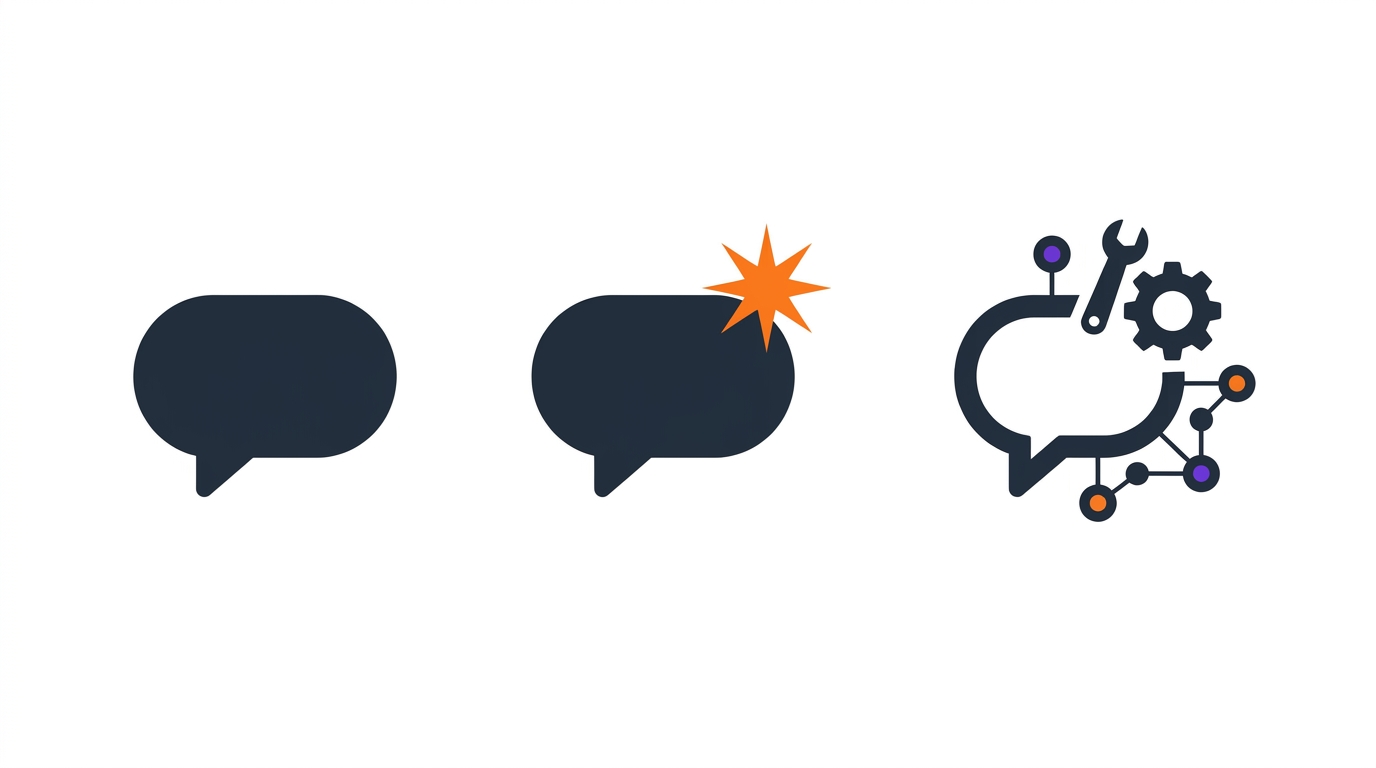
Chatbot: produces answers
It connects to a knowledge base and produces the most suitable answer to the incoming question. When designed well, it takes over most frequently asked questions and hands the conversation to a live agent. Its job is defined: to stay inside the conversation.
Copilot: offers suggestions
It suggests an answer or a next step but does not carry out the work itself. The human decides; the copilot only accelerates.
Agent: calls tools, takes steps
It can call tools toward a goal, create records, update status, and take chained steps. Its distinguishing trait is that it can step outside the conversation and change something in a system.
AI employee: carries a role, goal and responsibility
It bundles agent capability around a role and goal: which task, within which scope, with which authority, for which output and reporting to whom. An AI employee is not a "question answerer" but a structure that "owns a specific piece of work".
The five layers that define an AI employee
A good AI employee emerges when five layers are built together.
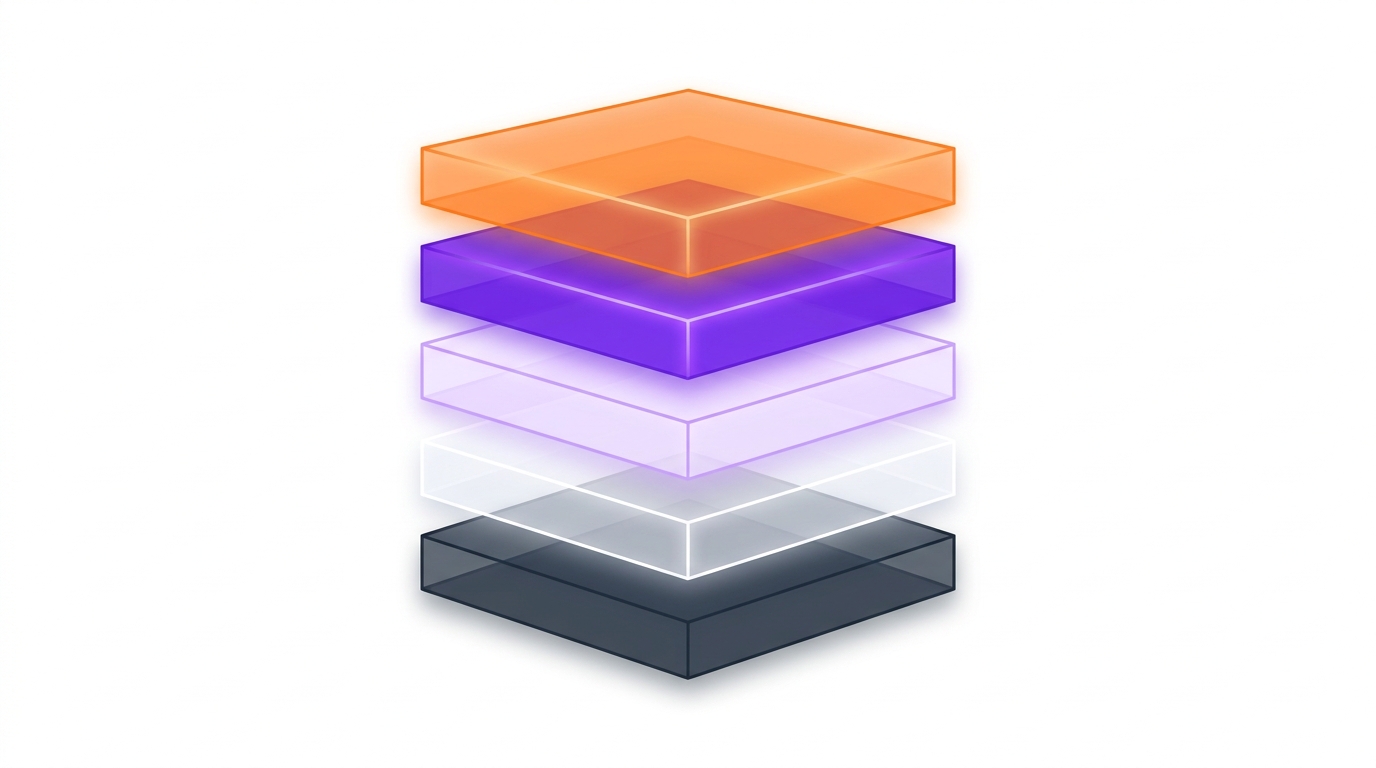
1. Role and goal. The employee's job should be defined in one sentence: for example, "classify the incoming request and route it to the right team".
2. Knowledge and context. The source the answer relies on (product documentation, FAQ, past conversations) must be clear. An answer that cannot cite a source does not build trust.
3. Tools and integration. Which systems the employee is connected to must be specific: chat platform, CRM, table, email, payment, or shipping system.
4. Authority and approval. The most frequently skipped layer. Which actions can the AI employee take directly, and which should be submitted for human approval? Irreversible actions should be tied to approval.
5. Logging, measurement and human handoff. What did it do, which data did it access, at which step did it stop? Without a defined handoff point, an AI employee cannot be measured.
Six concrete scenarios in business
- Classifying customer requests. The incoming message is tagged by topic and urgency; it lands with the right team.
- Creating a task or ticket from a conversation. An unresolved conversation becomes a record with its summary and customer context.
- Lead qualification. A potential customer goes through a preliminary assessment with budget, need and timing questions.
- Support summary. Long conversations are handed to the agent as a short brief.
- Weekly issue report. Recurring requests are compiled and presented to management as a summary.
- Moving critical actions to approval. Steps such as refunds, payments, or contracts are left to a human for a decision.
The common rule across these scenarios is this: separate the suggestion from the actual action. The system may suggest an action; it must not be applied before approval.
The Supsis approach: conversation, data, tasks and permitted tools together
In Supsis, an AI employee is not a single feature but is built by several modules working together:
- A chatbot that runs the conversation,
- Dynamic tables that hold customer and conversation data,
- Automation flows that turn a request into a task,
- A task and ticket module that records the process,
- A permitted tool layer that limits access.
This view positions the AI employee not as a "magical" feature but as an auditable workflow.
MCP: the context and action layer of an AI employee
The Model Context Protocol (MCP) lets language models connect to data sources and tools in a standard way. With the Supsis MCP Server, clients such as Claude Desktop, Cursor and Windsurf can connect to support data and defined actions.
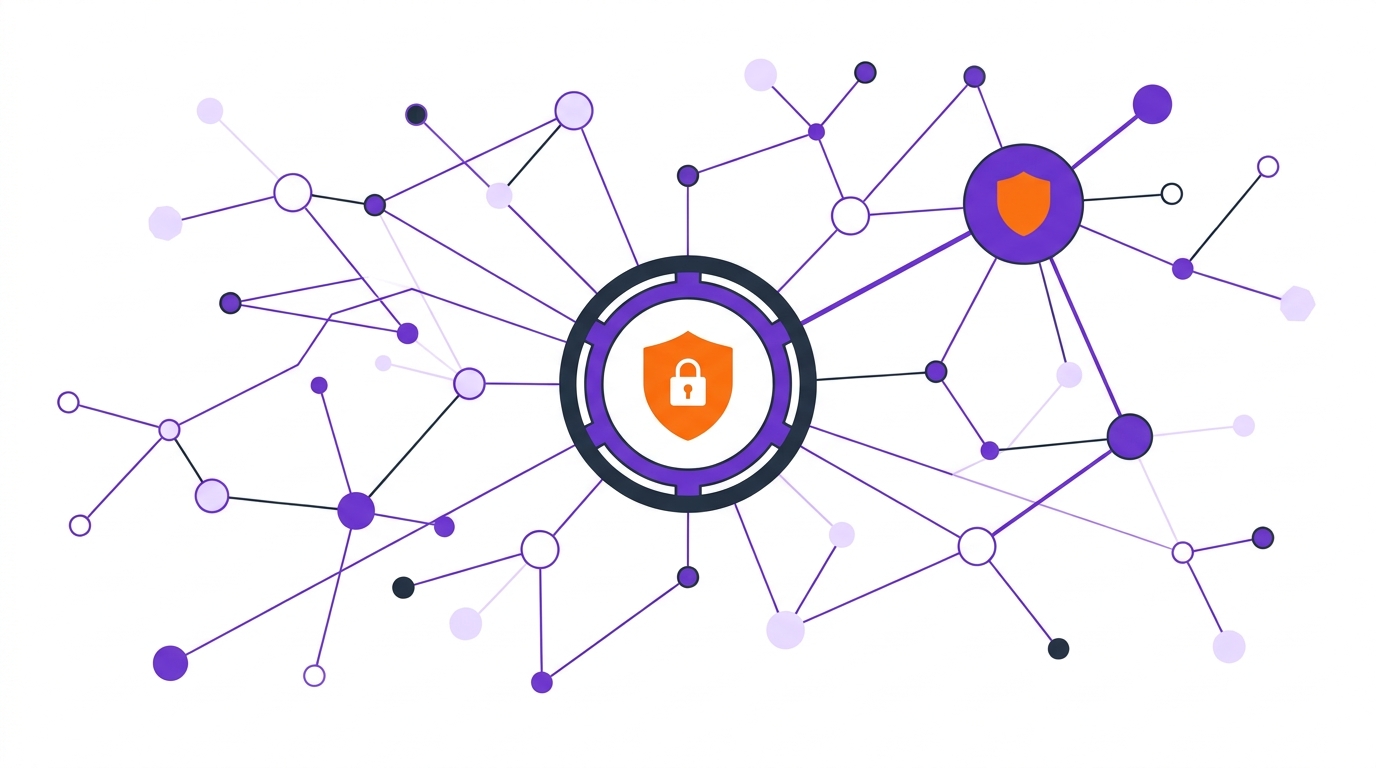
The critical point here is permissions: access can be restricted, which tool may be executed can be defined, and every action is recorded. It is not the power of the model but the limit of access that builds trust. For details, see the MCP Server page.
Selection checklist
When evaluating an AI employee, ask these questions:
- Which data does it access? Is access limited by the least-privilege principle?
- Which actions can it take directly, and which can it only suggest?
- Exactly where does human approval enter the flow?
- What happens on error or ambiguity; is there a defined handoff point?
- Is an audit trail kept for the actions it takes?
- How is success measured: share of requests handled, response time, satisfaction?
If you cannot get clear answers to these questions, there is a demo on the table, not an operational employee.
Conclusion: talk about the model, not the headline
Headlines like "Claude Duet" come and go quickly. What endures is this question: in your company, which task will be carried out, based on which data, with which authority, and at which approval point? The shift from chatbot to a task-executing AI agent matures precisely with the answer to that question.
You can explore Supsis's approach and modules through Discover Supsis.
Frequently asked questions
What is Claude Duet? At the time this article was prepared, no verifiable official product announcement was available. It is therefore more accurate to treat the term not as a product feature but as a trend frame describing AI tools moving from conversation to task execution.
Is it related to Google Duet AI? Although they share the word "Duet", they are different products and should not be confused. Features should not be transferred without verification.
What is the difference between an AI employee and a chatbot? A chatbot produces answers inside the conversation. An AI employee runs work with a role, goal, toolset and authority; when needed, it creates records or updates status in the system.
What tasks can an AI agent do? It can take on defined tasks such as request classification, opening records or tickets, lead qualification, conversation summaries, report generation, and submitting critical actions for human approval.
How does an AI employee access customer data? Through a permitted and restricted tool layer. Standards such as MCP define, limit and log that access.
When is human approval required? Approval is mandatory for irreversible or financially consequential actions such as refunds, payments, pricing, and contracts.
What is MCP? The Model Context Protocol; a protocol that lets language models connect to data sources and tools in a standard way.